Interactive Measurement
Evaluation of policies, long-horizon behavior, tool-using agents, and statistical validity when observations are non-i.i.d. and path-dependent.
Treating AI measurement as a first-class scientific problem for frontier AI.
We are excited to announce the inaugural AI Measurement Science Workshop, co-located with COLM 2026 at the Hilton San Francisco Union Square. The workshop is a one-day, in-person event on October 9, 2026, bringing together researchers from machine learning, statistics, psychometrics, economics, and policy to develop a unified perspective on measurement for frontier AI systems.
As AI systems become increasingly embedded in real-world workflows, existing evaluation paradigms face fundamental limitations. Contemporary benchmarks typically assume i.i.d. samples, stationary concepts, and passive models. These assumptions are increasingly violated in modern systems, which interact with environments, adapt to feedback, and are optimized against known evaluation signals.
This workshop frames evaluation as a problem of AI measurement science. We focus on three tightly coupled challenges (measurement of interactive systems, measurement under strategic optimization, and measurement under non-stationarity) and aim to define common abstractions and open research directions for this emerging area.
Submissions from educational testing, psychometrics, and related fields are strongly encouraged.
We invite work across theory, methodology, and systems, including but not limited to the three tightly coupled challenges below.
Evaluation of policies, long-horizon behavior, tool-using agents, and statistical validity when observations are non-i.i.d. and path-dependent.
Evaluation as a game between learner and evaluator; robustness to gaming and contamination; incentive-compatible, private, randomized, or adaptive leaderboards.
Covariate, label, and construct drift; adaptive test design, recalibration, and longitudinal monitoring of deployed systems.
We also invite write-ups from participants of the Predictive AI Evaluation Challenge. Papers should describe each team's approach to predicting model responses from sparse observations, with methods, results, and lessons learned. Submissions follow the same 4–8 page COLM format as the research track and are reviewed on a later timeline so that final competition results can be included. The Best Competition Paper award will be presented alongside the workshop's research awards.
Competition track deadline: August 15, 2026
Short, focused contributions in COLM format. Review is double-blind.
All deadlines are in Anywhere on Earth (AoE) time.
Submissions open now on OpenReview. Deadline June 23, 2026.
Speakers and panelists from academia, industry, and policy.
In schedule order
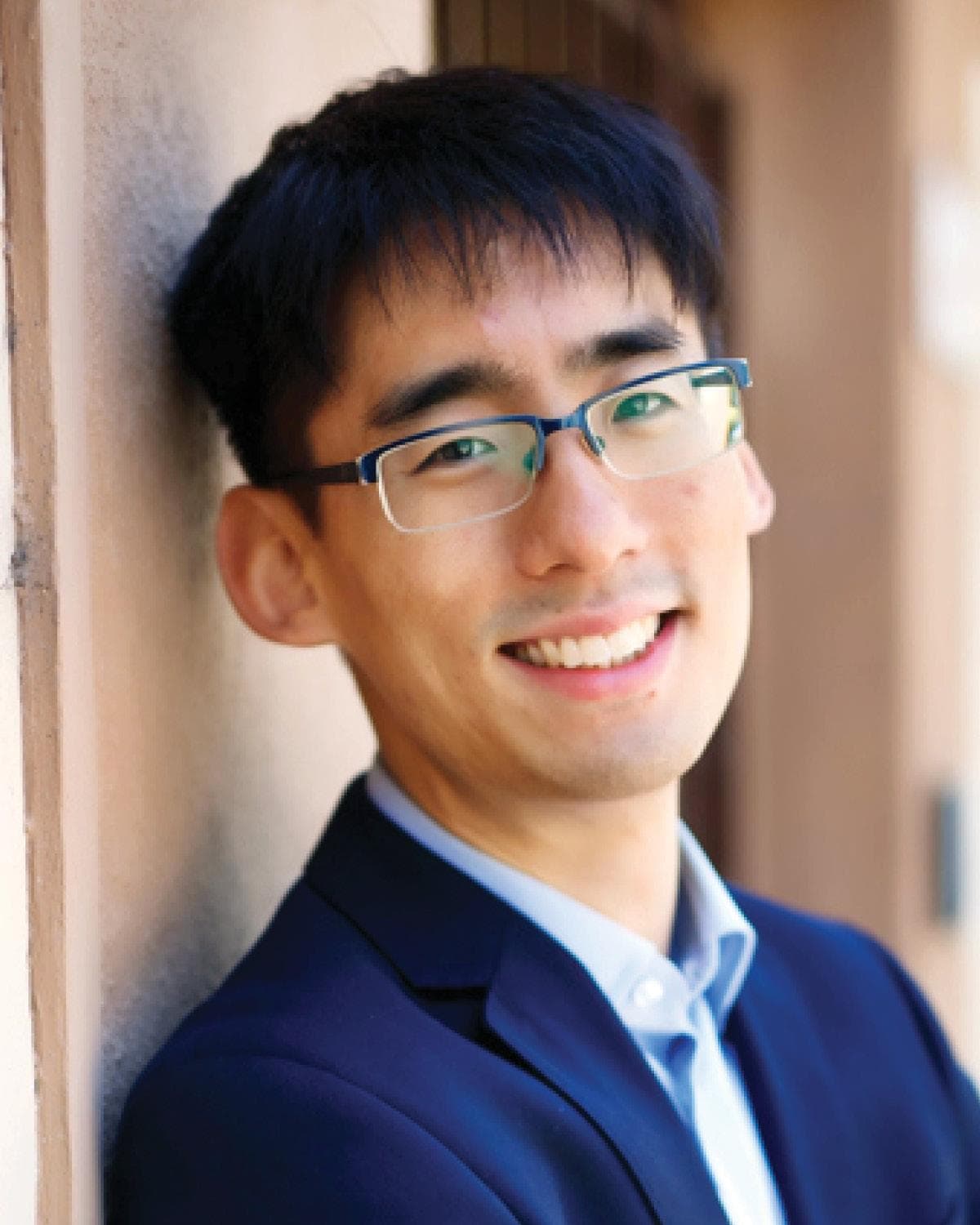
UIUC
Assistant professor working on agentic benchmarks, AI security evaluation, and ML deployment systems.
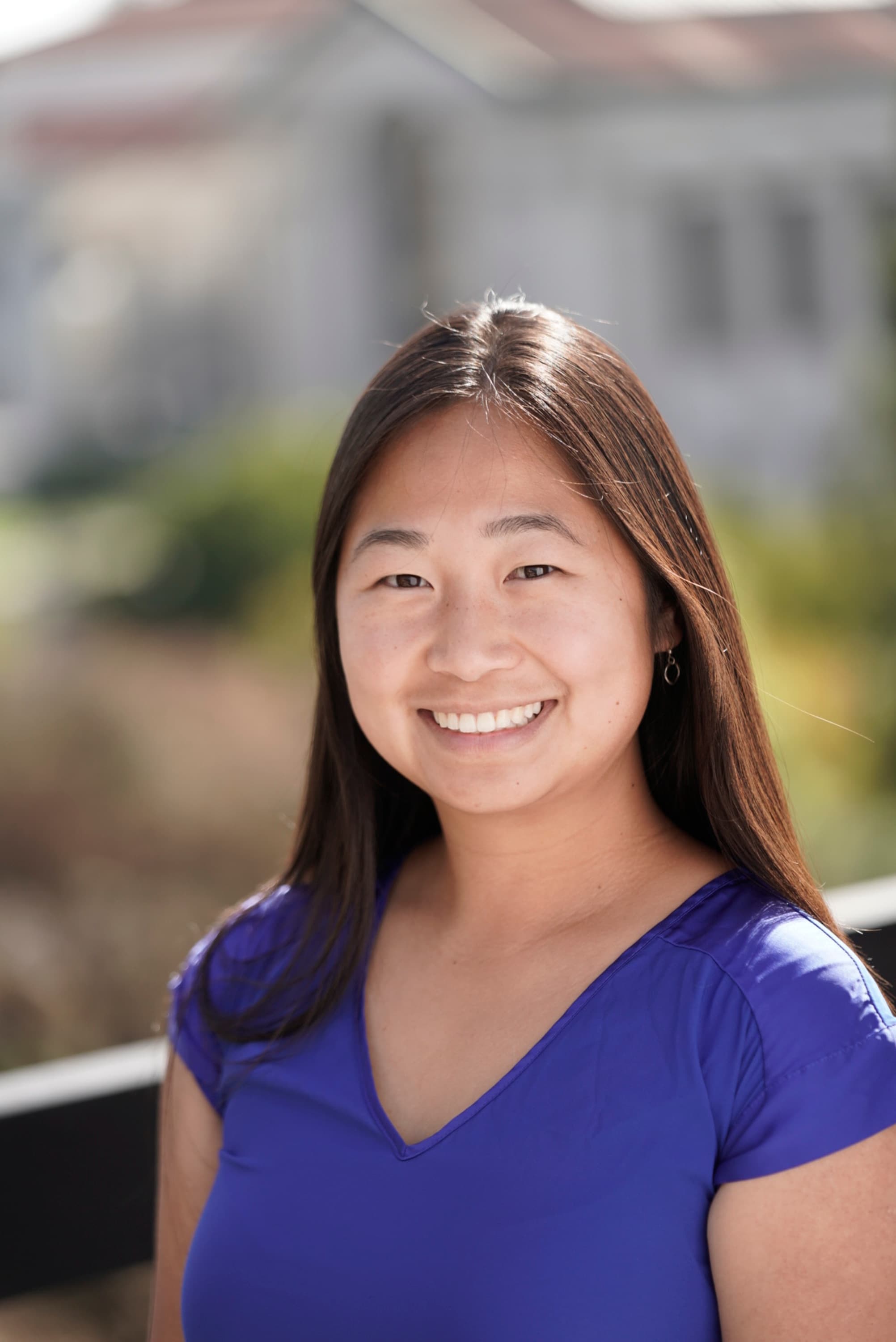
Harvard / UBC
Postdoctoral researcher on long-term AI impacts, counterfactual metrics for social welfare, and robust distillation.
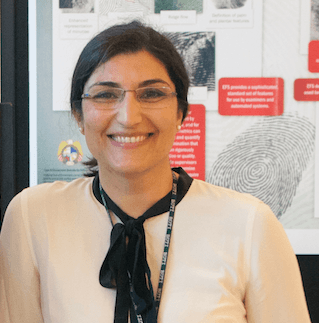
Brookings
Led NIST's AI Risk Management Framework and served as chief technologist of the U.S. AI Safety Institute; named one of TIME's 100 most influential in AI.
Alphabetical by last name
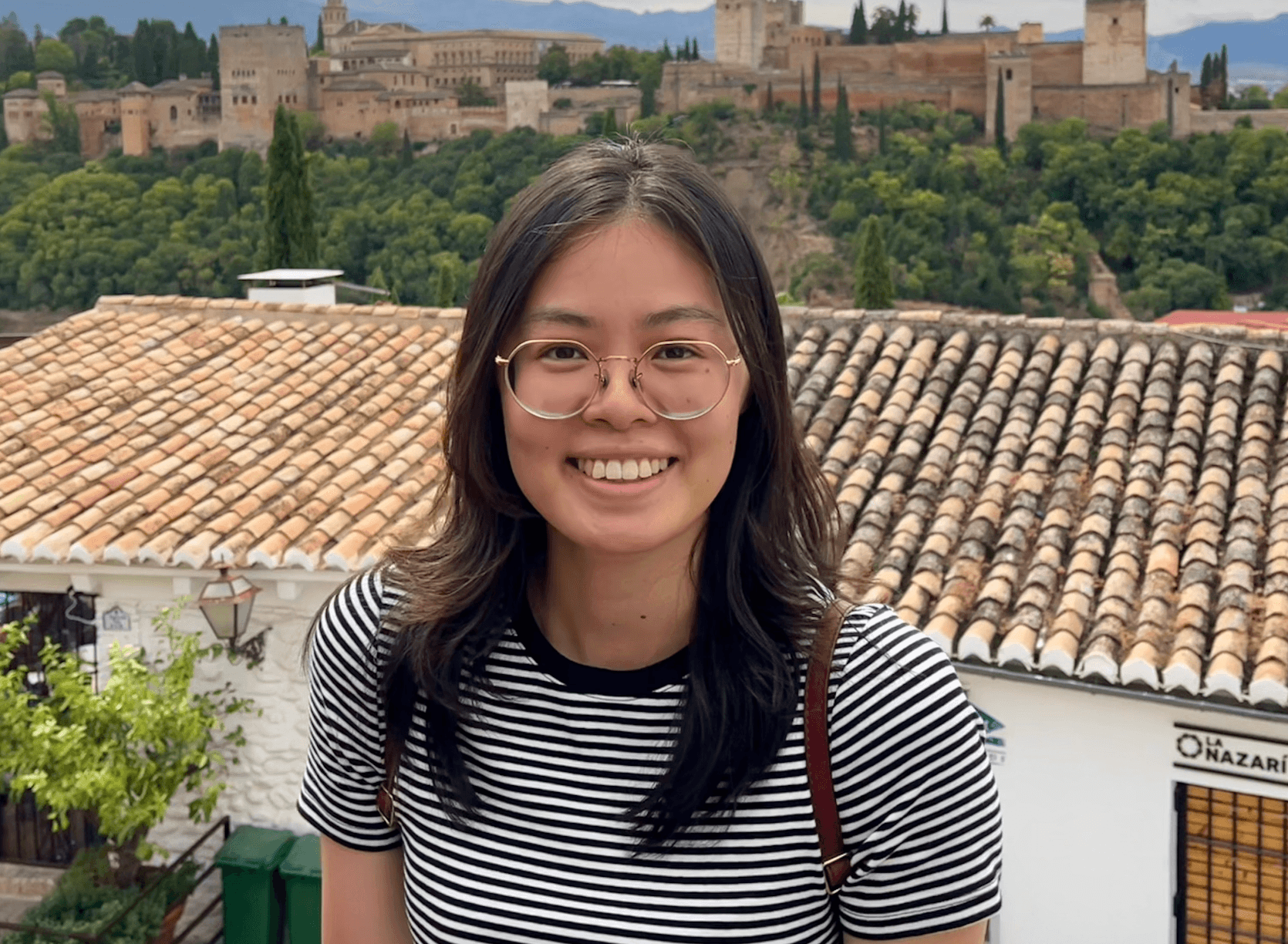
Stanford University
SAIL postdoctoral fellow studying human–AI collaboration and how to measure the value and risks of AI in collaborative work.

UC Berkeley
Researcher studying algorithmic auditing, model evaluation, and accountability for deployed AI systems.
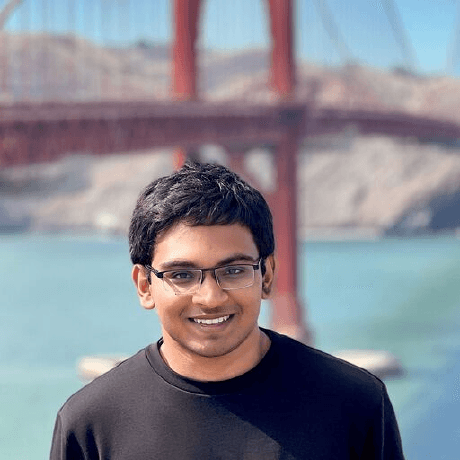
Vals AI
Works on AI evaluation at Vals AI, developing benchmarks and independently evaluating newly released models.

Microsoft Research
Vice President and Distinguished Scientist working on responsible AI and the evaluation and measurement of generative AI systems.
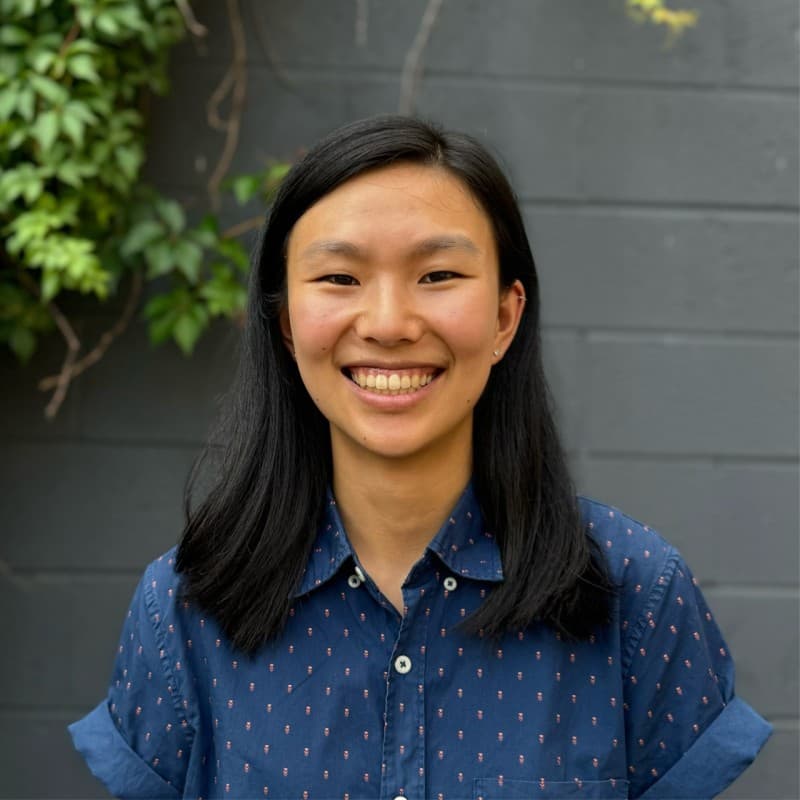
Cornell Tech / Cornell University
Assistant professor researching responsible AI, evaluation, algorithmic fairness, and the societal impacts of AI.
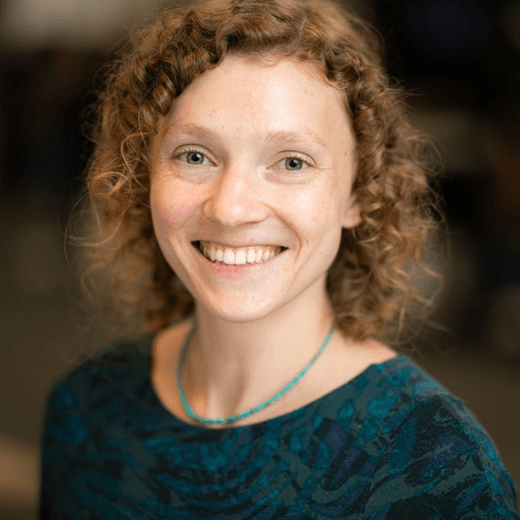
Meta FAIR
Research scientist studying language model evaluation, computational linguistics, and the measurement of social biases in NLP systems.
October 9, 2026. All times Pacific Daylight Time (PDT). Program subject to change.
Scroll horizontally to view all columns.
| Time (PDT) | Session / presentation | Speakers / participants |
|---|---|---|
| 08:30 – 08:45 | Opening remarks | Sang Truong |
| 08:45 – 09:15 | Invited talk | Daniel Kang |
| 09:15 – 10:15 | — | |
| 09:15 – 09:30 | Chasing the Public Score: User Pressure and Evaluation Exploitation in Coding Agent Workflows | Hardy Chen |
| 09:30 – 09:45 | Growing Pains: Extensible and Efficient LLM Benchmarking Via Fixed Parameter Calibration | Eliya Habba |
| 09:45 – 10:00 | Jacky Kwok | |
| 10:00 – 10:15 | Statistical Foundations of LLM-based A/B Testing: A Surrogacy Framework for Human Causal Inference | Joel Persson |
| 10:15 – 10:45 | Invited talk | Serena Wang |
| 10:45 – 12:00 | Poster session 1 | — |
| 12:00 – 13:00 | Lunch break | — |
| 13:00 – 14:00 | — | |
| 13:00 – 13:15 | DelusionEval: Measuring Delusion-Linked Behaviors in AI Chatbots | Jared Moore |
| 13:15 – 13:30 | Searching for "Harmful Refusal": A Psychometric Audit of an AI Safety Benchmark | Christopher Stewart |
| 13:30 – 13:45 | Safety Benchmarks as Measurement Instruments: A Crossed Evaluation of LLM Harm Benchmarks | Emaan Bilal Khan |
| 13:45 – 14:00 | Spiking the training data to correct for test set contamination | Johnny Wei & Jerry Li |
| 14:00 – 14:30 | Hot Takes on AI Evaluation | Olawale Salaudeen |
| 14:30 – 15:00 | Invited talk | Elham Tabassi |
| 15:00 – 16:15 | Poster session 2 | — |
| 16:15 – 17:30 | Panel discussion | Panelists: Valerie Chen, Deb Raji, Nikil Ravi, Hanna Wallach, Angelina Wang, Adina Williams |
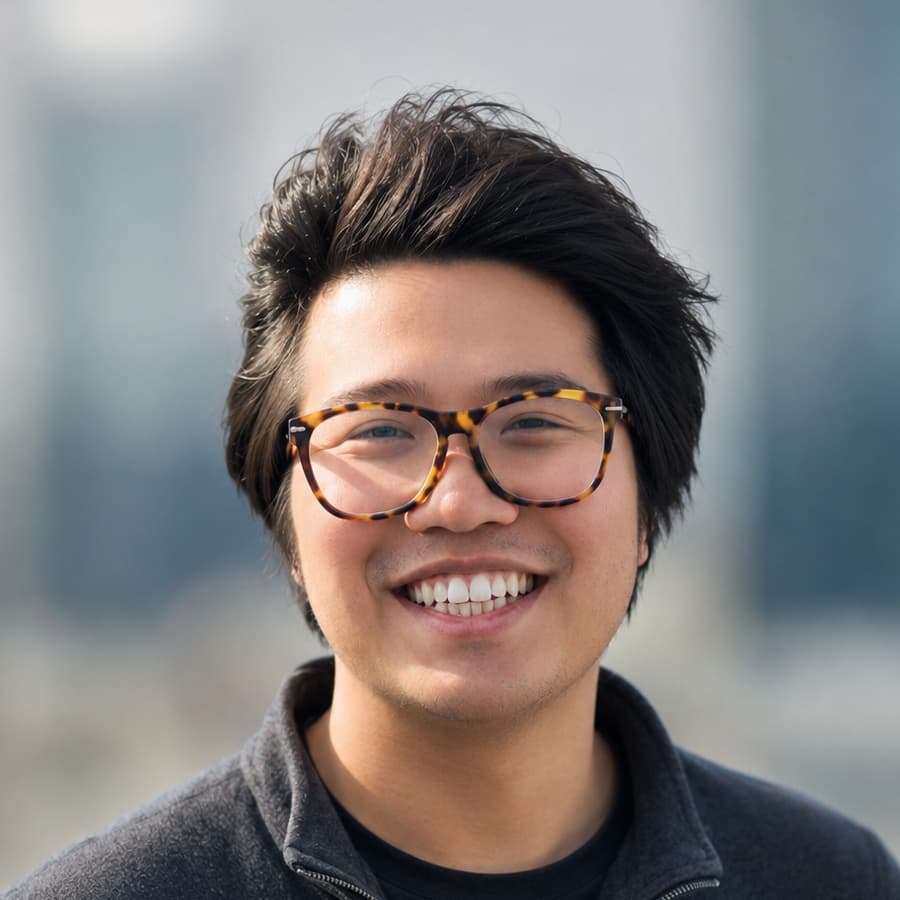
Stanford University
Stanford University
Microsoft Research / UIUC
Stanford University
Google DeepMind
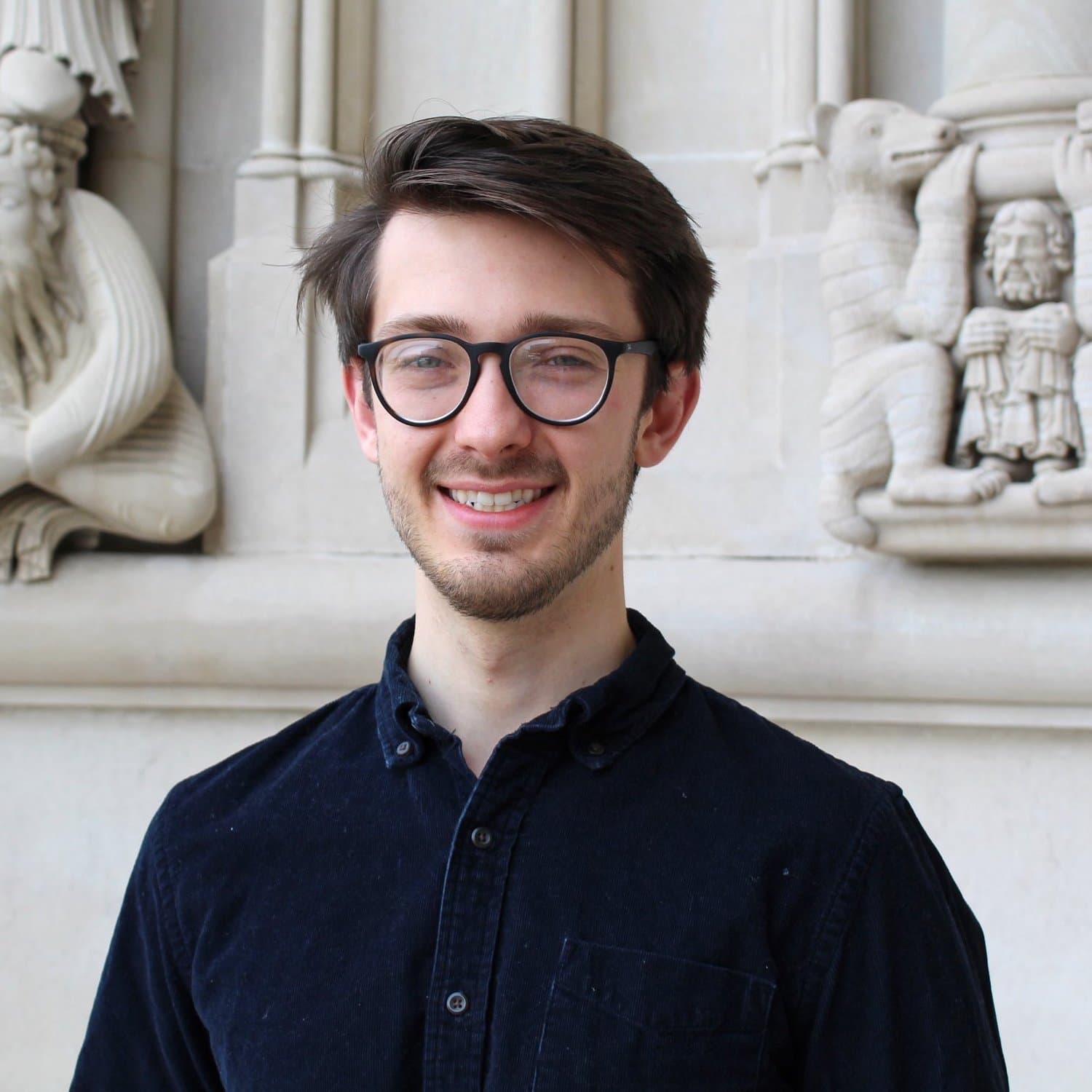
Carnegie Mellon University
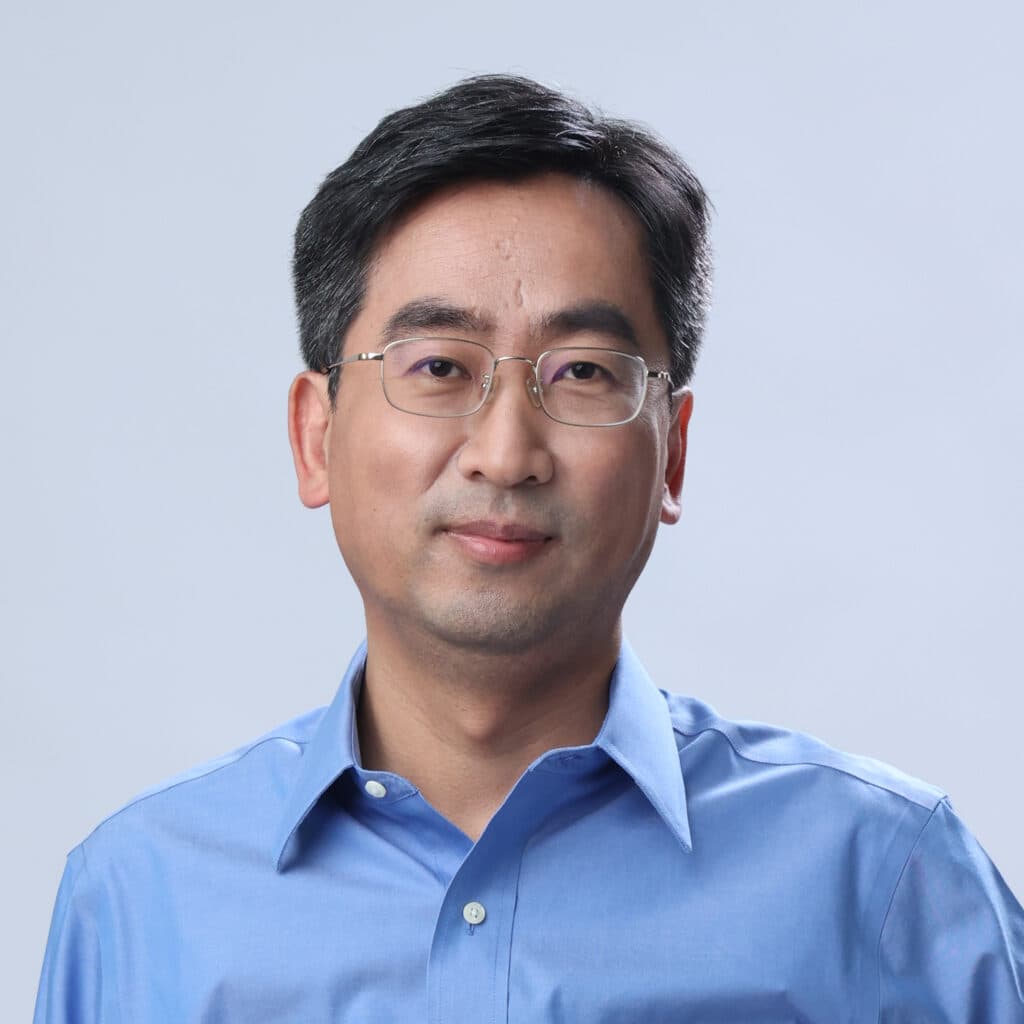
Microsoft Research Asia
We thank Vals.AI for supporting workshop participants with travel and registration.
Get involved
Reach out to the organizing committee. We would love to hear from you.